
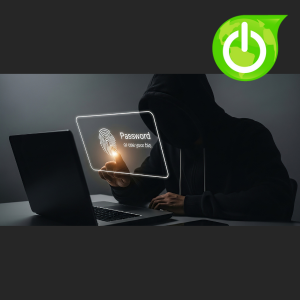
 Technology continues to make life easier, but it’s also opened the door for hackers to exploit online weaknesses. While weak passwords and phishing emails are well-known threats, cybercriminals are using increasingly creative and unexpected methods to break into personal and business accounts. Understanding these tactics is the first step toward protecting yourself.
Common and Evolving Hacking Techniques
Hackers still rely on old tricks like brute force attacks, but modern methods are far more sophisticated. Social engineering, credential stuffing from past breaches, and even AI-powered attacks are now part of their toolkit. These techniques form the foundation for lesser-known vulnerabilities that can catch even tech-savvy users off guard.
Unexpected Ways Hackers Can Break In
Here are some surprising methods hackers use and why they’re dangerous:
- Cookie Hijacking: Cookies store login sessions for convenience, but hackers can steal them through malicious links or unsecured networks, granting access without passwords.
- SIM Swapping & Port-Out Fraud: By hijacking your phone number, hackers intercept two-factor authentication codes and reset account credentials.
- Deepfake Technology: Realistic audio or video impersonations trick victims into sharing sensitive information.
- Exploiting Third-Party Apps: Linked apps often have weaker security, creating backdoors into your accounts.
- Keylogging Malware: Malicious software records every keystroke, capturing passwords and private data.
- AI-Powered Phishing: Machine learning creates convincing, personalized phishing emails that mimic legitimate communications.
How to Protect Yourself
Preventing these attacks requires more than strong passwords. Here’s what you can do:
- Strengthen Authentication: Use multi-factor authentication (prefer app-based or hardware keys over SMS).
- Monitor Account Activity: Enable alerts for suspicious logins or changes.
- Avoid Public Wi-Fi: Use a VPN when accessing sensitive accounts on public networks.
- Review Third-Party Access: Only link trusted apps and revoke unused permissions.
- Stay Alert for Phishing: Verify suspicious emails through official channels before responding.
Additional Cybersecurity Best Practices
Beyond these steps, adopt a proactive security mindset:
- Update Software Regularly: Patch vulnerabilities before hackers exploit them.
- Back Up Data: Follow the 3-2-1 rule for secure backups.
- Use Encrypted Communication: Protect sensitive conversations from interception.
- Invest in Cybersecurity Training: Awareness is your best defense against evolving threats.
Cybersecurity is a necessity, not a choice. Hackers are growing and evolving faster than ever, so staying informed and proactive is key. We specialize in helping individuals and businesses safeguard their digital assets. Contact us today for expert guidance and peace of mind.